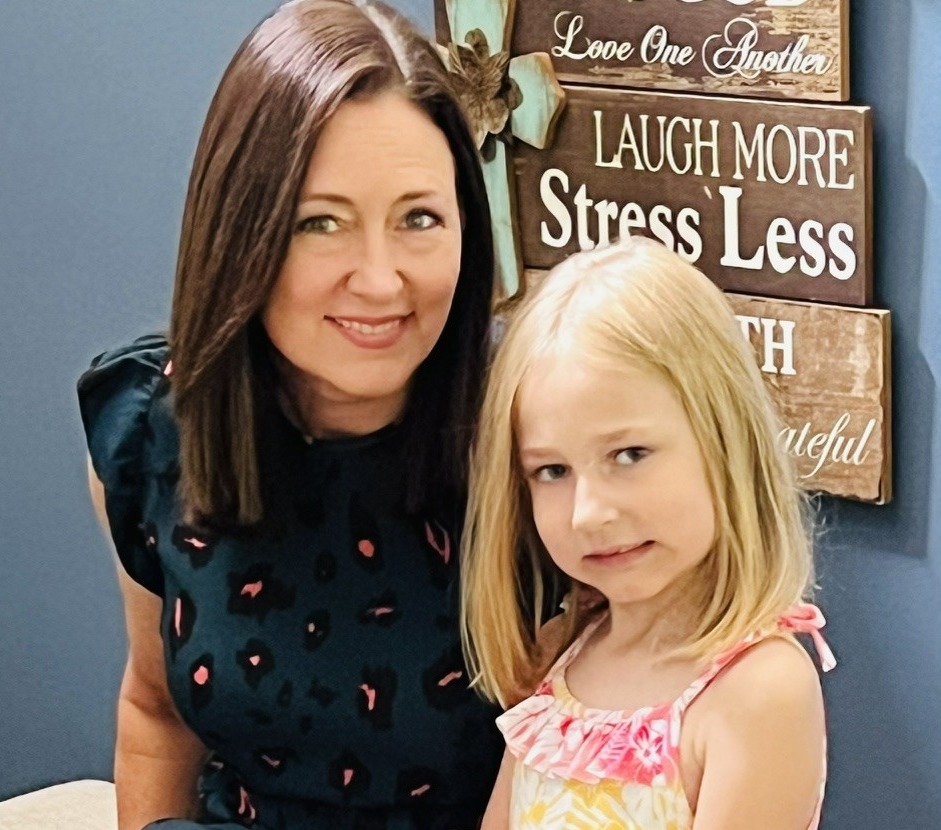
Abigail, a third grader, had struggled for years with fine motor skills, dyscalculia, dyslexia, and persistent memory issues. Her mother Frances repeatedly raised concerns with school staff, but too often felt dismissed. “My journey was incredibly difficult,” she recalls.
After years of trying to get Abigail the support she needed, Frances paid for a private evaluation that confirmed many of
her concerns. Still, the path forward remained unclear. At the recommendation of a friend, she contacted the Education Law Program (ELP).
ELP reviewed Abigail’s educational and medical records, explained the family’s rights under federal education law, and helped Frances prepare for Abigail’s Section 504 eligibility meeting. “We are forever grateful to Dan,” Frances said. “He offered the guidance and direction for research.”
Abigail and her family received help from CCLA’s Education Law Program. With ELP’s support, Frances was prepared to advocate effectively for her daughter. During the meeting, Abigail’s tutor even discovered that student work presented as evidence of Abigail’s progress actually belonged to another student. Ultimately, the school developed a Section 504 Plan and began evaluating Abigail for special education services, as well.
Later that spring, Abigail was found eligible for an Individualized Education Program (IEP) to support her specific learning disabilities. After years of advocacy, she finally had the services she needed to succeed in school.
“This changed everything for Abby,” Frances said. “When we needed help the absolute most, you were the only ones willing to help. She was supported instead of falling through the cracks.”
Today, Frances hopes her experience can help other families find support sooner. For her, ELP’s impact is difficult to overstate: “It permanently changed the direction and outcome of my daughter’s education.”
The Education Law Program has quickly become an important part of CCLA, making an immediate difference for students and families across our community. We are proud to advocate for students facing barriers to education, including challenges related to special education, Section 504, school discipline, discrimination, and involvement in the juvenile court system.
